Creating a relaxing home workspace is essential for maintaining focus, reducing stress, and boosting productivity—especially when balancing work and home life. Whether you work remotely full-time or occasionally, designing a space that promotes calm and efficiency can make a big difference in your day. Here are practical tips to help you set up a home office that feels inviting and supports your best work.
Choose the Right Location
Find a Quiet Spot
Begin by selecting a space in your home where distractions are minimal. If possible, choose a room or corner away from noisy areas like the kitchen or television. A quieter environment helps concentrate and keeps you in a work mindset.
Prioritize Natural Light
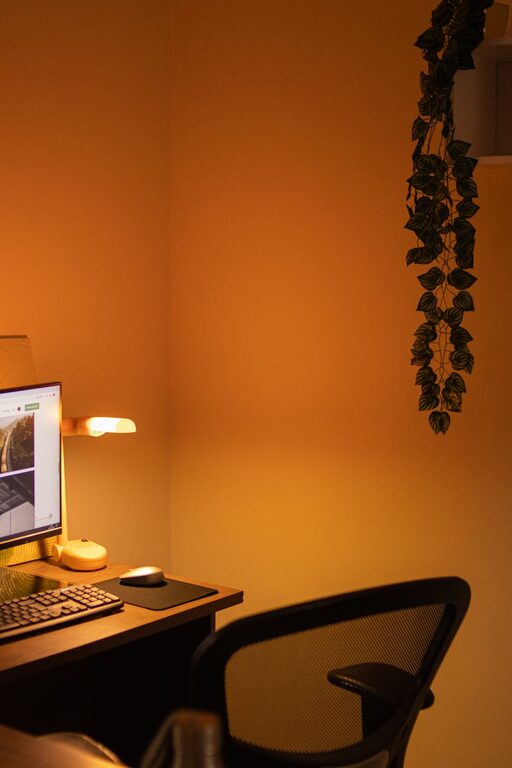
Workspaces near windows provide natural light, which can boost mood and energy. Position your desk so you can enjoy daylight without glare on your screen. If natural light is scarce, use soft, warm lighting to create a welcoming atmosphere.
Invest in Ergonomic Furniture
Comfortable Chair
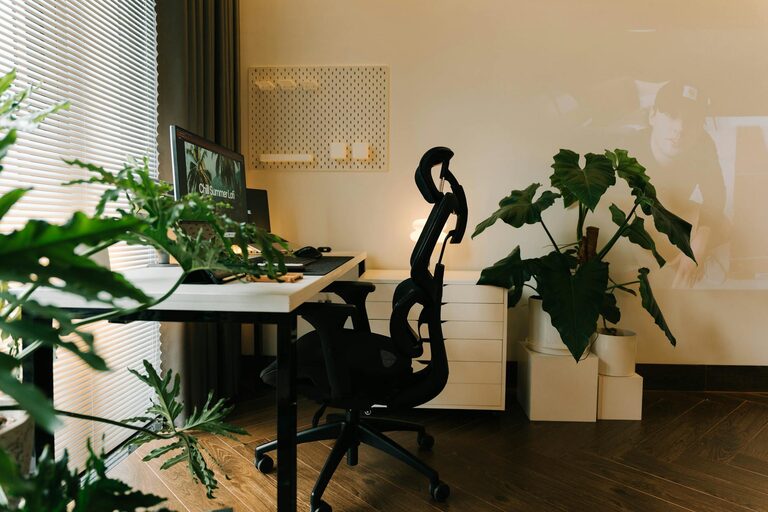
A supportive, ergonomic chair is crucial. Sitting for long hours requires good back support to prevent discomfort or pain. Look for adjustable features so you can customize the height and tilt.
Functional Desk
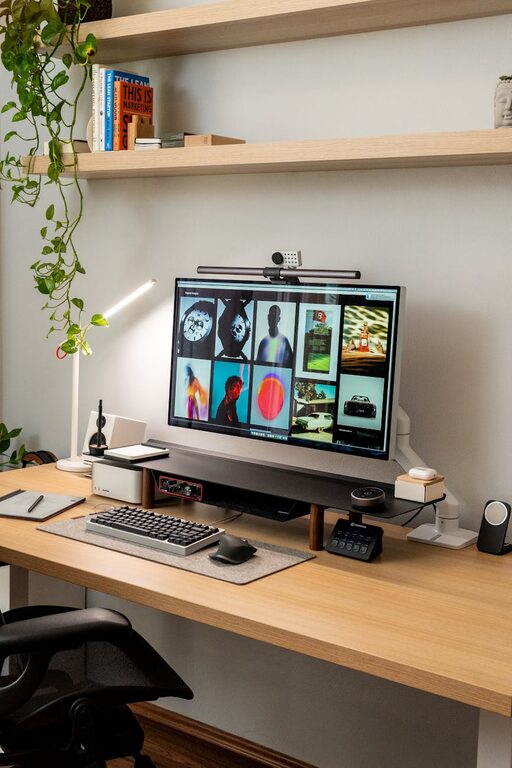
Choose a desk that fits your space and work needs. It should have enough room for your computer, notebooks, and essential tools without feeling cluttered. Consider standing desks or adjustable options to change positions during the day.
Minimize Clutter and Organize
Declutter Regularly
Clutter can cause stress and reduce focus. Keep only the essentials on your desk to maintain a clean, distraction-free environment. Tidy up at the end of each workday to start fresh tomorrow.
Use Storage Solutions
Incorporate storage options like shelves, filing cabinets, or desk organizers for paperwork and supplies. This helps keep everything in its place and easy to find.
Add Calming Elements
Incorporate Plants
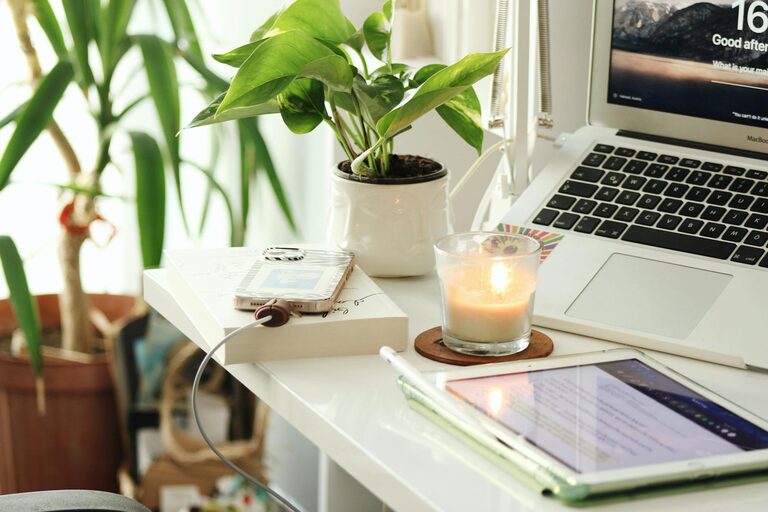
Indoor plants add a touch of nature and can improve air quality. Choose low-maintenance varieties like succulents or pothos to brighten your space and create a soothing ambiance.
Soothing Colors
Decorate with calming colors such as soft blues, greens, or neutrals. These shades can reduce stress and enhance focus. Avoid overly bright or harsh colors that may cause fatigue.
Personal Touches
Include items that inspire and motivate you, like artwork, photos, or motivational quotes. A personalized workspace feels more inviting and can improve your mood.
Manage Technology Thoughtfully
Cable Management
Tidy cables with clips or sleeves to prevent a tangled mess. Organized cables look neater and reduce distractions.
Use Quality Equipment
Ensure your computer, keyboard, mouse, and other devices are comfortable and reliable. Frustrating technology can interrupt your workflow and increase stress.
Limit Distractions
Turn off unnecessary notifications and consider apps that block distracting websites during work hours to stay focused.
Establish a Routine and Boundaries
Set Work Hours
Defining clear start and end times helps separate work and personal life. Stick to your schedule as much as possible to maintain balance.
Create a Warm-Up Ritual
Begin your workday with a small routine—like making coffee or reviewing your to-do list—to mentally prepare for focus and productivity.
Take Breaks
Short breaks help reduce fatigue and maintain mental clarity. Use techniques like the Pomodoro method (25 minutes work, 5 minutes break) to structure your day.
Optimize Air Quality and Comfort
Ventilation
Keep your workspace well-ventilated to stay alert and comfortable. Open windows if possible or use fans and air purifiers.
Temperature Control
Maintain a comfortable temperature. If the space is too hot or cold, it can distract and decrease efficiency.
Use Sound Wisely
Background Music or White Noise
Some people work better with gentle background music or white noise to block distracting sounds. Experiment with what works best for you.
Noise-Cancelling Headphones
Investing in noise-cancelling headphones can help create a quiet zone even in a busy household.
—
By creating a workspace that combines comfort, organization, and personal appeal, you can cultivate a relaxing environment that naturally enhances productivity. Remember that your home office should reflect your unique needs and preferences. Regularly update and adjust your space as those needs evolve to keep your workdays enjoyable and efficient.