
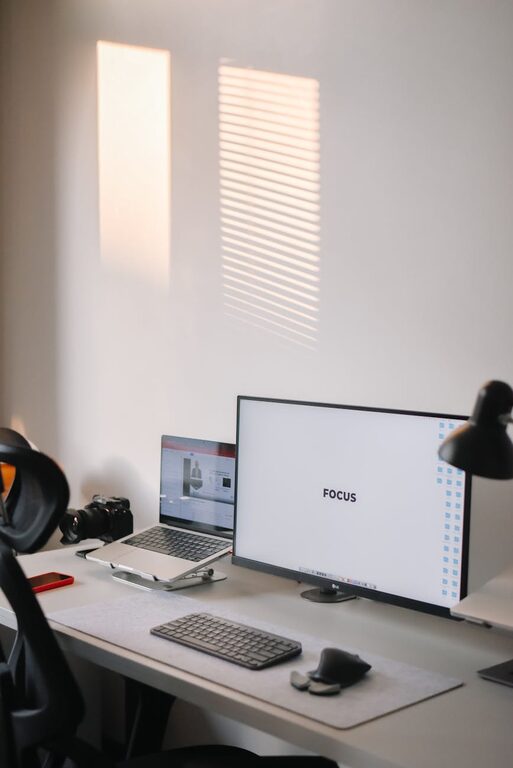
Creating an organized and productive workspace at home can make a significant difference in your ability to focus, stay motivated, and complete tasks efficiently. Whether you’re working remotely, freelancing, or managing household tasks, a well-arranged workspace helps minimize distractions and promotes better work habits. In this guide, you’ll find practical tips for setting up a home workspace that supports your productivity and well-being.
Choose the Right Location
Find a Dedicated Space
Whenever possible, select a specific area in your home for work. Having a dedicated workspace signals your brain that it’s time to focus, which can improve concentration. It can be a spare room, a corner in your living room, or even a small nook. Make sure it’s separate from places associated with relaxation or other daily activities.
Consider Natural Light and Comfort
Opt for a spot near a window for natural light, which helps reduce eye strain and boosts mood. Comfortable seating and an ergonomic desk setup are also vital for long hours of work. Avoid working from your bed or couch regularly, as this can decrease productivity and affect posture.
Declutter and Organize
Keep Only What You Need
Minimize clutter by removing unnecessary items from your workspace. A clean desk helps clear your mind and reduces distractions. Keep essential tools and supplies within reach, but store non-essential items elsewhere.
Use Storage Solutions
Incorporate shelves, bins, or drawer organizers to store papers, gadgets, and office supplies. Labeling storage containers makes it easier to locate items quickly and maintain order over time.
Digital Decluttering
Keep your computer desktop and files well-organized. Regularly delete old files and use folders to sort documents. This practice saves time and reduces stress when searching for information.
Establish a Routine
Set Work Hours
Designate specific start and end times for your workday to create boundaries between professional and personal life. Consistency improves productivity and helps prevent burnout.
Plan Your Tasks
Begin each day by prioritizing your tasks or making a to-do list. Breaking work into manageable chunks with clear goals can keep you motivated and on track.
Take Breaks
Include short breaks throughout your day to rest and recharge. Moving around or stretching during breaks can improve circulation and focus.
Minimize Distractions
Limit Noise
If possible, choose a quiet space or use noise-canceling headphones to block out background sounds. Listening to soft instrumental music can also enhance concentration for some people.
Manage Technology Distractions
Turn off non-essential notifications on your phone and computer during work hours. Consider using apps or settings that restrict access to distracting websites when you need to focus.
Personalize Your Space
Add Motivating Elements
Include items that inspire you, such as plants, artwork, or photos. These can make your workspace more pleasant and boost your mood without creating clutter.
Maintain Comfort
Ensure your workspace has adequate lighting, proper airflow, and comfortable temperature to prevent discomfort and distractions.
Maintain Your Workspace Regularly
Daily Tidying
Spend a few minutes at the end of each day putting things back in their places and organizing your desk. This simple habit prevents clutter buildup and prepares you for a fresh start tomorrow.
Weekly Reviews
Once a week, review your workspace to see if any adjustments are needed. Reassess your storage solutions, seating comfort, and organization methods to keep your space efficient and enjoyable.
Use Productivity Tools
Digital Tools
Utilize calendars, task managers, and note-taking apps to keep track of your work and deadlines. These tools can help streamline your workflow and reduce stress.
Physical Tools
Use planners, whiteboards, or sticky notes if you prefer tangible reminders. These visual aids can help keep important tasks and ideas in view throughout the day.
—
By intentionally designing and maintaining an organized workspace, you can create an environment that supports focus, motivation, and productivity. Start with small changes and build routines that fit your lifestyle. Over time, your home workspace can become a comfortable, efficient area where your best work happens.